


16th Century

Batik wax-resist dyeing emerges in Java, Indonesia - a meticulous craft passed through generations using hand-drawn canting tools and natural dyes.
2009

UNESCO officially recognised batik as an Intangible Cultural Heritage of Humanity on 2 October (since then celebrated as National Batik Day), securing its place on the world stage.
*

Pekalongan establishes itself as Indonesia's largest and most vibrant centre of batik production.
2014
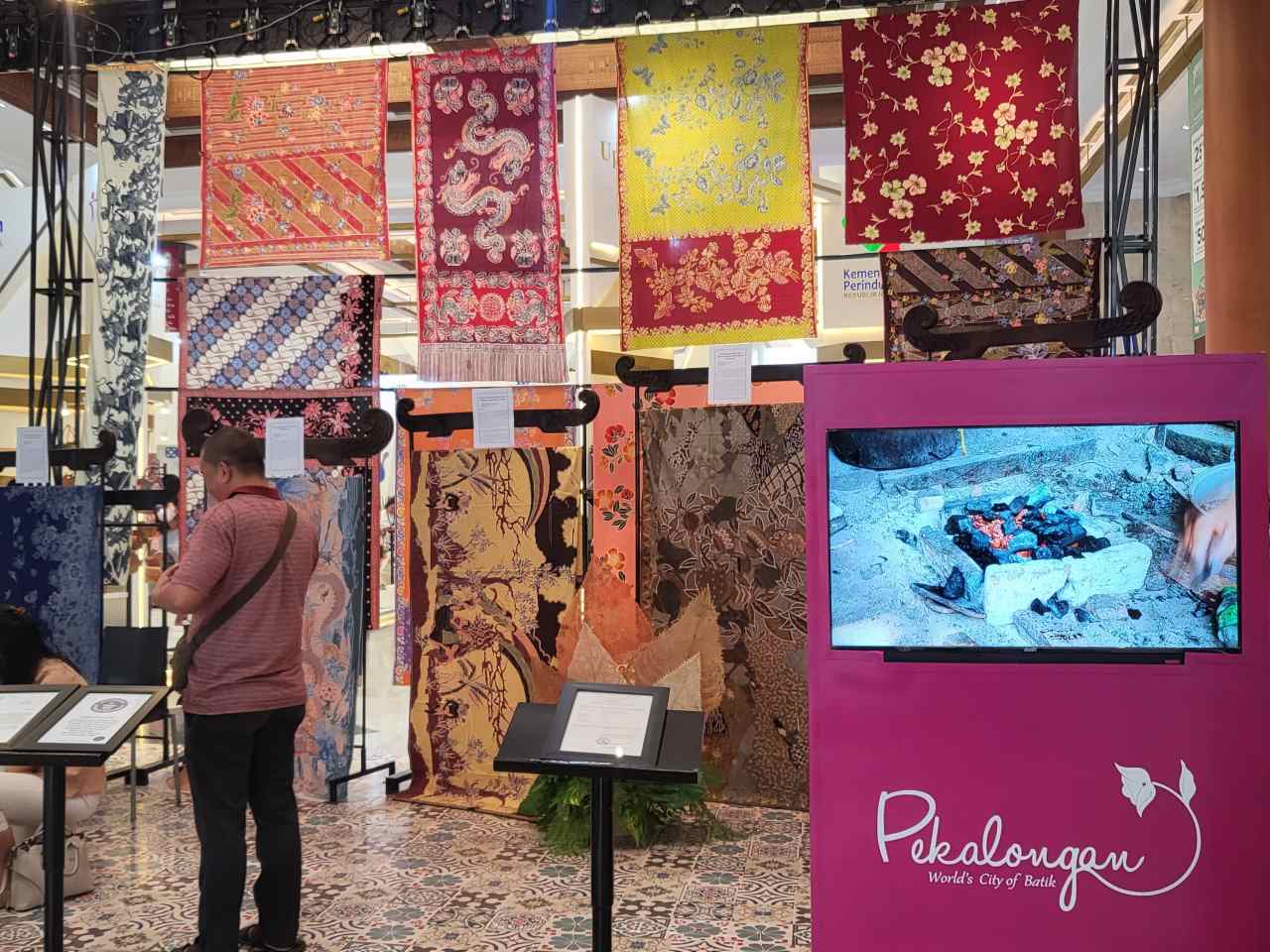
Pekalongan became the first Southeast Asian city to be included in UNESCO's Creative Cities Network, in the category of Crafts and Folk Art, due to batik being deeply embedded in the city's economy, culture, and social identity.
2021

Carried out by Deltares and UNDIP, the study assessed Pekalongan's water resource challenges, including batik wastewater pollution, water reliability, land subsidence, and tidal flooding.
2021–2022

Executed by Royal HaskoningDHV Indonesia, this study assessed the baseline conditions of batik wastewater management and identified both technical and non-technical solutions to reduce water pollution, groundwater extraction, and land subsidence.
2022–2023

Commissioned to The Water Agency, this study mapped local stakeholders' needs, identified solutions, and conducted matchmaking, concluding that an integrated approach beyond just wastewater treatment is needed.
2023-2024

The Water Agency continued to develop the batik case in Pekalongan, moving from research and matchmaking to building a concrete roadmap for change, and established Green Batik Transformation Programme.
2025-present

The Green Batik Transformation Programme launches a 2-year pilot project in Pekalongan, introduces practical and sustainable interventions throughout the water cycle in the batik industry: water abstraction, water use, and water discharge.


